Customer loyalty in FMCG begins in everyday life
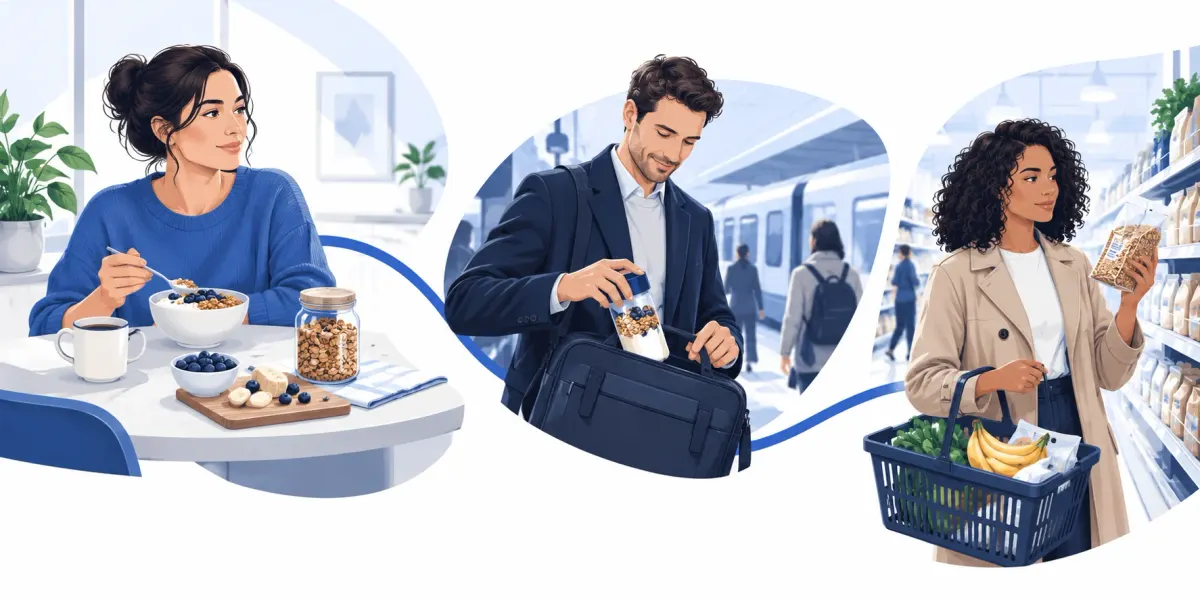
Customer loyalty covers the measures a brand takes to maintain a relationship with its buyers beyond individual purchases. In FMCG, the main task is to stay relevant at the right moment of consumption and make the next purchase easier.
FMCG stands for fast-moving consumer goods, also known as consumer packaged goods (CPG): everyday products such as food, drinks and household items that are bought often and used up quickly.
The product tasted good. The pack is empty. Yet something else ends up in the basket on the next shopping trip.
Has this person stopped being loyal to your brand? Perhaps they simply did not think of the product. Perhaps it was unavailable. Perhaps a different solution suited the next occasion better.
For FMCG brands, customer loyalty therefore begins with a practical question: How can your product remain relevant in everyday life when you do not handle the sale yourself?
Retailers make the sale; brands can start the conversation
Brands that sell through retailers usually have no checkout of their own as a direct point of contact. The purchase alone therefore gives the brand no way to speak with the buyer personally.
Packaging, a display or a promotion can create a starting point. The reason to engage must make sense to consumers: cashback, an idea for using the product, relevant product information or a question about their experience.
In a dialogue based activation, contact begins with a specific action. The person takes part, uses an offer or looks for an answer. Whether you may communicate with them afterwards is clarified separately.
This creates a first direct contact alongside the retail relationship. Relevant further contacts can help turn it into a relationship. A retailer's loyalty programme and a brand dialogue serve different purposes; both can coexist.
Customer loyalty measures: a good reason for the next purchase
A contact address does not make someone a repeat buyer. What matters is their experience with your product and why they should think of it at the next suitable moment.
This can be very down to earth: a recipe answers what to put on the table today. A usage tip helps someone use a product correctly. A short feedback question lets them share their experience.
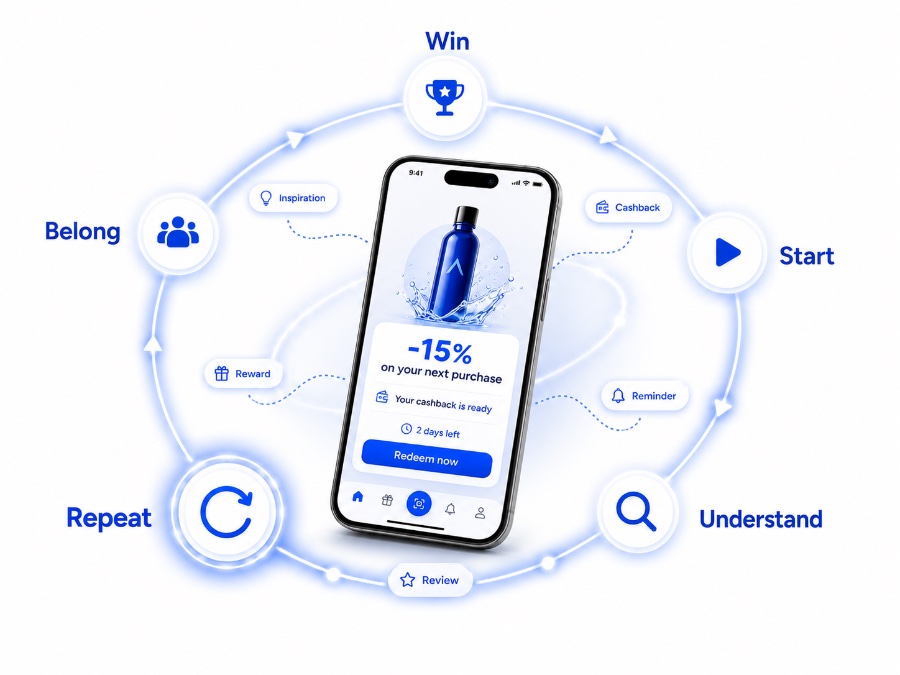
DiALOGiFY plans these relevant follow up contacts in a Touch Journey around product use and the next purchase decision. Each contact needs its own purpose and a benefit the person can recognise.
You do not need a comprehensive loyalty programme straight away. A carefully planned step after an activation is a concrete start.
Loyalty programme or discount incentive: different roles
A reward can give someone a reason to participate. For the later relationship, it also matters whether the brand remains helpful in everyday life. Someone who receives only more requests to buy after the promotion gets little help with actually using the product.
For a breakfast product, a quick preparation idea for hectic mornings may be more useful than an immediate second offer. Another person might need storage information. The choice follows the product and the need reported, rather than a desire to send a long series of messages.
For every planned contact, ask: Would the person still find this useful if they were not going to buy again today? Clear value could be guidance, inspiration or the solution to a specific problem.
This does not mean avoiding purchase incentives. It means naming their role and coordinating them with other contacts. A retailer's loyalty programme, a single promotion and a direct brand relationship can coexist. Check which gap your own contact actually fills.
What each contact is for
- 01 · Activation incentive
- Create a reason to engage
- 02 · Usage support
- Answer a specific question
- 03 · Feedback
- Understand the experience
- 04 · Repeat purchase prompt
- Respond to the next need
Understand the moment behind the purchase
“Our target group is between thirty and fifty” does little to help you decide which message would be useful after a purchase.
“This person wants a quick breakfast on the go” gives you a starting point. The moment of consumption shows where the product should fit into everyday life. The alternatives become clearer too: at that moment, it might compete with coffee and a pastry even though they are not on the same shelf.
Purchase motivation, consumption moment, needs and alternatives considered are among the Buyer Signals DiALOGiFY works with. They are asked about deliberately or obtained from observable journey events. An answer is information someone gives voluntarily. A confirmed later purchase, by contrast, shows that the person bought again.
The aim is to understand the next useful contact better. So gather the information that will change your communication and leave out the other questions.
Three questions with practical value
- 01 · Moment
- When will the product be used?
- 02 · Task
- What should it help the person do?
- 03 · Alternative
- What else might they choose?
A small journey that fits into everyday life
As a planning example, take a brand with a new breakfast product. One possible journey starts with an activation linked to a purchase. In the dialogue, the brand asks when the product is intended to be used.
For people who have given suitable permission, a short usage idea could follow: How can the product be prepared the evening before? After a reasonable period of use, a feedback question might make sense. A later prompt can remind them of the next shopping trip or show another suitable use.
The connection between these contacts matters. Someone who reports a problem using the product needs a helpful answer first. Someone who declines further communication receives no follow up marketing. Content, timing and permission belong in the same plan.
Choose the steps that suit the product and its use. A journey does not need to appear on every channel.
Planning example: breakfast product
- 01 · Start
- Purchase linked activation
- 02 · Usage support
- A relevant preparation idea
- 03 · Feedback
- Ask about the experience
- 04 · Later prompt
- Respond to the next shopping moment
The next message can wait
In the breakfast example, a person says preparing the product in the morning takes too long. Rather than asking them to buy again, a simpler way to use it would help first.
First check what makes use difficult: Are the instructions unclear? Does preparation take too long? Or does the product not suit the intended moment? The feedback determines whether a better explanation, another usage idea or a product change is needed.
For the next test, choose the most common specific obstacle. Record what you change and how you will tell whether use becomes easier. An additional message makes sense if it helps with precisely that.
There is no single right timing for all FMCG products. A drink bottle, a pantry product and a large pack of detergent have different usage and shopping rhythms. Use what you know about the product as a starting hypothesis, then check whether the chosen times match observed use.
From contact to the next purchase
A click can signal interest in the content. An answered feedback question shows participation. Neither provides evidence of another purchase.
Two measures are especially helpful when looking at repeat purchases: How many people buy again within the defined period? And how much time passes between confirmed purchases? We call this interval Time to Repeat.
In the Customer Momentum System, the Growth Cockpit connects measurement with concrete Next Best Actions: Which activations and contacts should continue, change or stop?
Define in advance whom you observe and which purchases your campaign can capture at all. Repeat participation only shows another purchase if the mechanic requires and checks a new purchase under the promotion rules. Purchases outside that capture remain invisible.
This keeps engagement separate from customer loyalty. If you also want to know what effect your journey had, you need a suitable basis for comparison.
Measure engagement and purchases separately
- Click or answer
- Response to a contact
- Another purchase
- Confirmed by a defined rule
- Additional effect
- Requires a suitable comparison
Common questions about customer loyalty in FMCG
What does FMCG mean?
FMCG stands for fast-moving consumer goods: everyday products such as food, drinks, personal care and household items that are bought often and used up quickly. In the US they are usually called consumer packaged goods (CPG). Because buyers can switch brands at any shelf, staying relevant between two purchases matters especially in this category.
What types of customer loyalty are there?
Two types are commonly distinguished. Behavioural loyalty describes what customers do, such as buying the same brand again. Attitudinal loyalty describes how they feel, such as trust in the brand and a preference for it. A person can show one without the other: buying out of habit does not mean preferring the brand. In FMCG, where switching costs little, it helps to look at both: whether people buy again and why they would choose your product.
Does an FMCG brand need its own loyalty programme?
Not necessarily. A useful start can be a direct entry point on the product and a helpful follow up contact. Whether an ongoing programme makes sense depends on the goal, category, effort and value available to customers.
What data do I need to get started?
Start with the decision you want to improve. A voluntarily reported consumption moment may be more helpful than many demographic fields. Later use of the information must fit its intended purpose.
How do I recognise a repeat purchase?
Define which later purchase event qualifies within the observation period and how it can be confirmed. A second interaction or a click is not enough. Purchases outside your capture remain unknown.
How should I assess someone who does not respond?
No answer initially shows only that no answer was recorded. It does not establish dissatisfaction or the absence of another purchase. Check different explanations before planning another message.
Customer loyalty with Customer Momentum
In the Customer Momentum System, DiALOGiFY connects activation at the point of sale with Buyer Signals, Touch Journeys and repeat purchase measurement. The idea is simple: the first purchase should open a path to the next.
For your brand, that path begins with a specific everyday moment. Where could a helpful contact between one purchase and the next make a difference?
Explore possible Touch Journeys for your category. With DiALOGiFY, you can turn this into an activation and helpful contacts that build customer loyalty in your buyers' everyday lives.